Generate
The operator describes the drone, the area and the mission. Hespoire drafts the SORA and the operations manual from those structured inputs. Nobody starts from a blank page.
More on generateHespoire writes, checks and maintains the documents behind every drone flight authorisation. Weeks of consultant work become hours.
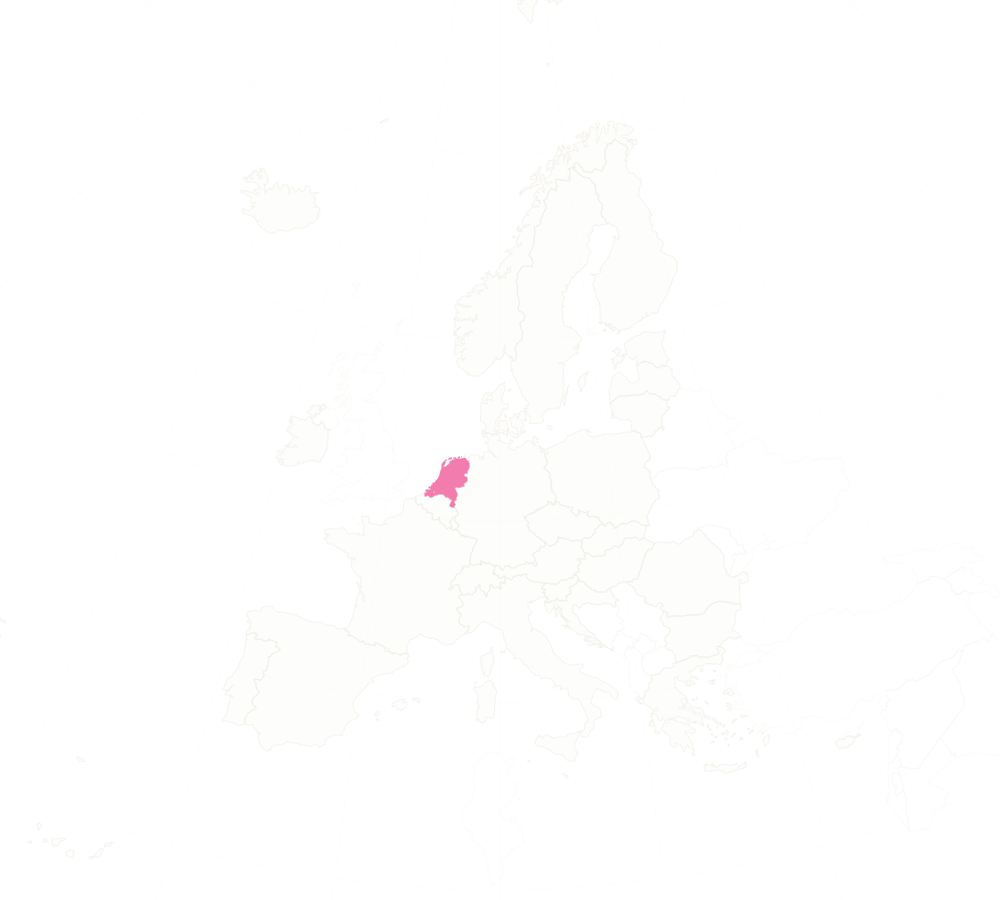
Illustrative chart, not for navigation. Zones are schematic. Base map from Natural Earth.
Every commercial drone flight with real risk needs a permit. Getting one means writing a risk assessment by hand, dozens of pages long, and starting over when the drone, the location or the mission changes.
Inspection, survey, film and delivery operators all have demand they cannot fly. Each new type of mission means another document cycle, another consultant and another wait. Growth stalls on paperwork.
How the specific category worksSources: EASA; JARUS SORA 2.5; ILT, exploitatievergunning.
The operator describes the drone, the area and the mission. Hespoire drafts the SORA and the operations manual from those structured inputs. Nobody starts from a blank page.
More on generateEvery claim and mitigation is checked against the current EASA rules. A gap comes back as a specific question, long before an authority could raise it.
More on checkA new drone, a new location or a rule change touches some sections and leaves others alone. Only the affected sections are updated.
More on maintainApproved work carries forward. The operator’s second authorisation takes a fraction of the first.
More on reuseYou claim M1(B) at medium robustness. How is access to the flight area restricted during the operation, and who enforces it?
Illustrative file with example values. Not a real application.
Gaps go back to the operator as specific questions, not a rejection letter. When EASA updates a rule, every live file is re-checked and only what changed is flagged.
Pick your drone, your area and your airspace. Our free estimator works through the published SORA 2.5 tables and shows the indicative SAIL for your operation.
Open the SAIL estimatorWe start with one authority and one kind of aircraft. We end with certification evidence for aircraft programs.
SORA and operations manuals for Dutch operators.
All EASA states, with partner consultancies.
Air-taxi operators and vertiports.
Evidence tooling for aircraft programs.
| Plan | For | How it works |
|---|---|---|
| Operator | Small drone companies | Monthly subscription. Each authorisation application is included or billed per file. |
| Fleet | Larger operators with several sites or drone types | Annual contract with unlimited files and rule-change monitoring. |
| Partner | Drone consultancies and flight schools | White-label licence, so you serve your clients faster on Hespoire. |
The Specific Operations Risk Assessment, its ten steps and what it produces.
When a flight leaves the open category, and what you need to do about it.
The ILT route, step by step, and how long it can take.
How final GRC and residual ARC combine into a level from I to VI.